Sự khác biệt giữa các vật liệu cấp lớp một và cấp hai của các dải thép không gỉ chính xác là gì?
2025-07-04
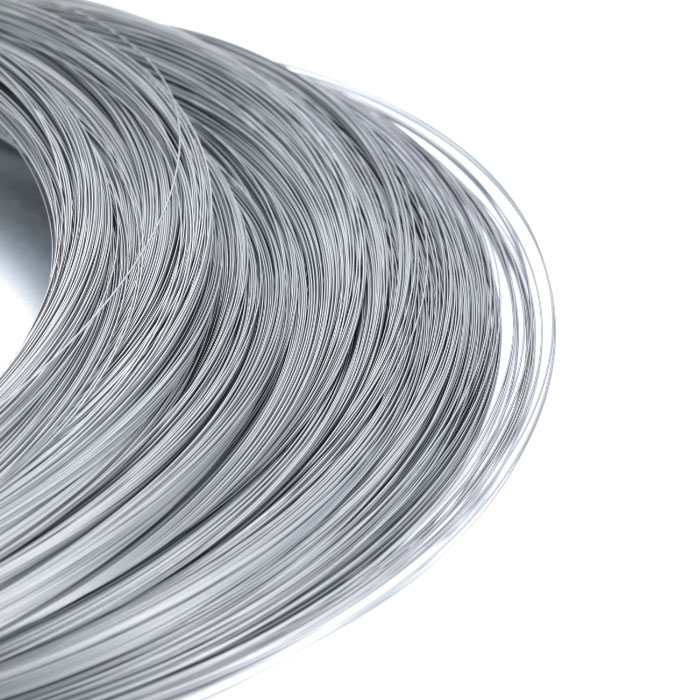
In high-end manufacturing like electronic info, medical devices, and new energy, the quality of precision stainless steel strips matters. It affects the performance of end products. Based on production processes and quality standards, these strips have two grades: first grade and second grade. The two grades differ in chemical makeup, physical traits, and uses. These differences are key when enterprises choose materials.
Chemical composition: strict control of purity and impurities
The first-grade material uses high-purity primary nickel, chromium and other alloy raw materials, and is smelted by vacuum induction furnace (VIM) or electroslag remelting (ESR) process. The content of impurity elements (such as sulfur and phosphorus) is strictly controlled below 0.01%, and the carbon content can be as low as 0.03%. Taking 304 stainless steel strip as an example, the chromium (Cr) content of the first-grade material is stable at 18-20%, and the nickel (Ni) content is 8-10%, ensuring excellent corrosion resistance.
Secondary materials mostly use recycled scrap steel or low-grade alloy raw materials. After conventional arc furnace smelting, the sulfur and phosphorus impurity content are allowed to be within 0.03%, and the carbon content fluctuates widely. The production cost of such raw materials is low, but the local corrosion resistance is easily reduced due to impurity segregation, which is not suitable for high-demand scenarios.
Physical properties: significant differences in precision and stability
The primary material is controlled by multiple cold rolling and bright annealing processes to achieve a thickness tolerance of ±0.002mm, and the surface roughness Ra value is ≤0.1μm, which can meet the strict requirements of semiconductor packaging, precision springs, etc. for flatness and finish. Its tensile strength and elongation are highly uniform, and it still maintains good formability under the ultra-thin specification of 0.1mm.
Secondary materials are limited by the precision of rolling equipment and annealing process, and the thickness tolerance is usually ±0.005mm. The surface is prone to scratches, color differences and other defects, and the Ra value is ≥0.3μm. During deep drawing, secondary materials are prone to cracks or uneven thickness, and their mechanical properties are more than 20% more discrete than primary materials, making it difficult to meet high-precision processing requirements.
Production process: Technology investment determines quality level
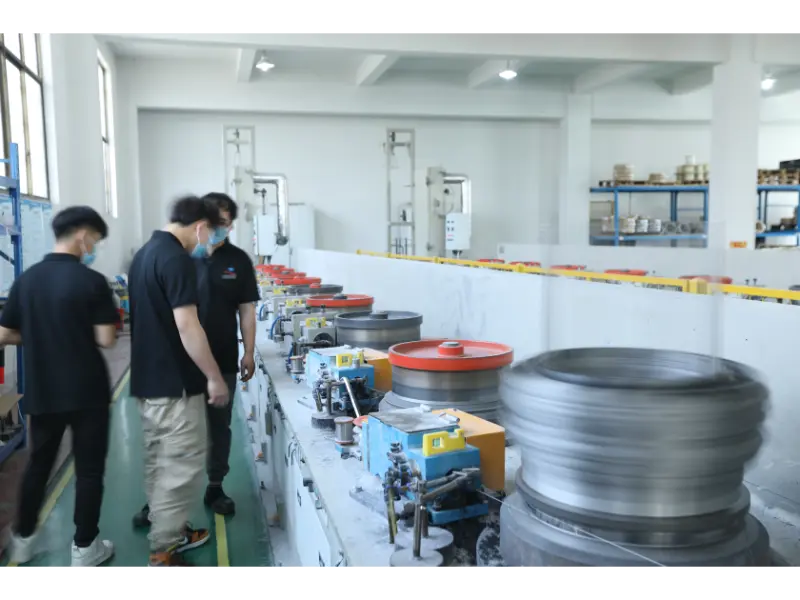
The production of primary materials requires high-end equipment such as 20-roller Sendzimir rolling mills and continuous bright annealing furnaces and uses online thickness gauges and plate shape control systems for real-time monitoring. The production process implements the dual quality standards of ISO 9001 and IATF 16949. For example, the primary material used for lithium battery tabs needs to undergo 8 rolling passes and 3 annealing's to ensure the uniformity of the material structure.
The secondary material production equipment is mainly conventional four-roll rolling mills, which lack precise temperature control and plate shape correction systems. Although the production efficiency is high, the quality stability is insufficient. Some companies sell secondary products as secondary materials through downgrading (such as cutting defective edges), and their comprehensive cost is 30%-50% lower than that of primary materials.
Application scenarios: clear distinction in market positioning
First-class materials have become the only choice for high-end fields such as medical device scalpels and aero-engine seals due to their excellent performance. In the manufacture of hinges for folding screen mobile phones, the fatigue life of first-class materials can reach more than 100,000 times, far exceeding the level of second-class materials. Second-class materials are mainly used in scenes with lower performance requirements such as building decoration, kitchen and bathroom supplies, such as stainless-steel sinks and shelves. It is worth noting that with the explosion of demand for steel for new energy vehicles, second-class materials have begun to penetrate non-core components such as battery module brackets due to their cost advantages, but there are potential long-term reliability risks.
As the high-end manufacturing industry continues to increase its requirements for material performance, the technological gap between first-class materials and second-class materials has gradually widened. When selecting models, companies need to combine product positioning with cost budgets and be wary of the possible decline in yield and after-sales risks caused by low-priced second-class materials. Industry technology upgrades (such as the research and development of duplex stainless steel precision strips) will also further enhance the market competitiveness of first-class materials.
We use cookies to offer you a better browsing experience, analyze site traffic and personalize content. By using this site, you agree to our use of cookies.
Privacy Policy